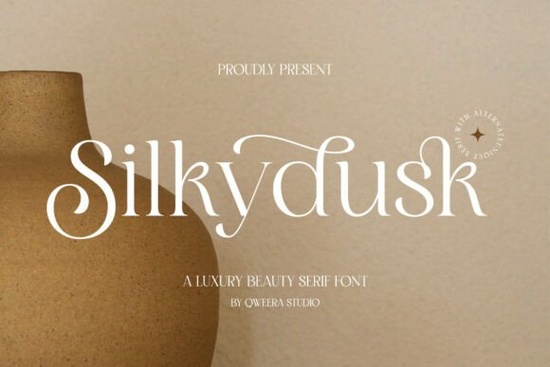
If you are looking for a typeface that brings quiet confidence to your visual identity, the Silkydusk Font offers exactly that. This luxury minimal modern logo serif style balances clean geometry with soft curves. Designers, crafters, and small business owners often choose it when they need typography that reads clearly without shouting. The strokes feel deliberate, leaving plenty of breathing room around letters so your core message stays sharp. Whether you are laying out a boutique sign, drafting a wedding suite, or building a lifestyle brand, this collection gives you the flexibility to shift between crisp headlines and lighter supporting text while keeping a cohesive look.
What makes a modern serif logo font stand out?
Modern serif typography works best when it avoids heavy ornamentation. The goal is to let letterforms breathe while adding subtle personality through cutouts and junction points. this particular typeface delivers on that promise by pairing smooth terminals with refined alternate characters. You will notice how certain letters swap in softer shapes during long words, which prevents repetitive blocks of type. The built-in ligatures also connect common letter pairs like fi and th, creating a cleaner flow across lines. Because the proportions sit slightly wide rather than tight, spacing feels open even at smaller sizes. That open structure translates well to digital screens and physical prints alike, giving you consistent legibility whether someone views your mockup on a phone or holds a printed package.
How should you apply it across different project types?
The versatility of this typeface comes from its balanced weight distribution and extensive character set. Start by testing it on brand guidelines where you need a primary display style alongside secondary text treatments. Fashion editors and packaging designers frequently pair it with ample white space to highlight product photography without competing with the layout. For crafters selling custom decals or engraved jewelry, the clean lines reproduce sharply on vinyl cutters and laser engravers, reducing edge fraying on fine details. Small business owners can lean on the multilingual support to maintain consistent typography across international menus, storefront signage, or e-commerce product descriptions. When you want contrast, switch to a heavier headline setting for event posters or seasonal promotional banners, then drop back to regular weights for instructional copy. Keeping the palette restrained lets the letterforms carry the design weight instead of relying on decorative overlays.
Where do you source compatible files and licensing options?
Professional layouts require proper font formats and clear usage rights. This collection ships in industry-standard OTF, TTF, and WOFF files, which cover desktop publishing, app development, and web embedding needs. Before importing anything into your design software, verify that your operating system supports the included OpenType features. Most modern creative suites recognize basic alternate glyphs and discretionary ligatures automatically, though some applications may require you to open the font panel to toggle specific stylistic sets. If you are exploring similar aesthetics for archival or retro-inspired projects, checking out alternatives like vintage mechanical styles or soft creamy textures can help you compare stroke weights and kerning behavior across different commercial licenses. Always review the end-user agreement before scaling a design to merchandising runs or large-format prints to stay covered under permitted usage tiers.
Which setup steps guarantee clean output?
Getting the most out of any display typeface comes down to careful spacing and feature activation. Run your draft designs through a systematic review process to catch misaligned baselines or crowded word groups. Adjust tracking slightly wider on short headlines to prevent optical crowding, and tighten leading just enough to keep paragraphs feeling connected without merging line gaps. Turn off auto-kerning if your layout tool forces awkward spacing, then manually nudge problem areas using precise pixel increments. Save working copies in vector-friendly formats whenever possible so you can scale artwork for trade show displays or social media thumbnails without introducing raster artifacts. Test your final composition on both light and dark backgrounds to ensure stroke visibility matches your brand standards.
Quick launch checklist for your next campaign
- Open your design program and import the OTF file to preview all alternate characters.
- Type a sample phrase containing frequent double letters to observe ligature behavior.
- Set up a simple grid with two column widths to practice headline-to-body ratios.
- Export a proof PDF at 300 DPI to check edge clarity before sending to a printer.
- Archive the WOFF version in your shared drive for easy web team handoffs.
Take these steps at the start of your project cycle, and you will spend less time fixing spacing issues and more time refining the overall composition. Keep a master template handy with preset styles already applied, and future campaigns will move forward with consistent typographic foundations.
Download Now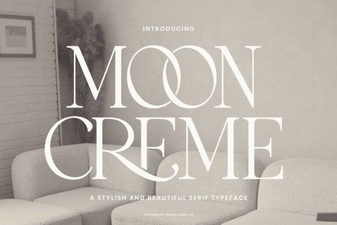 Moon Creme Font: a Soft and Stylish Typeface for Designers
 Discover Retro Typewriter Fonts for Your Creative Projects
 Little Love Font: Designing with Warm & Friendly Typography
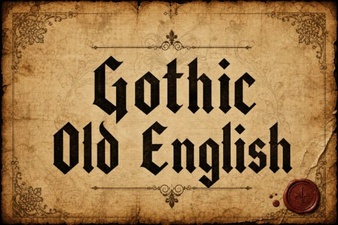 Designing with Authentic Gothic Old English Fonts
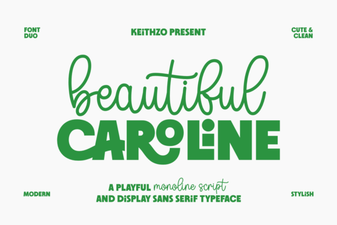 Beautiful Caroline Font: Elegance for Creative Projects
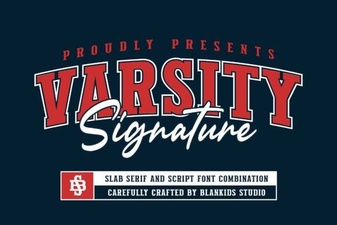 Signature Fonts for Sporty, Creative Design Projects