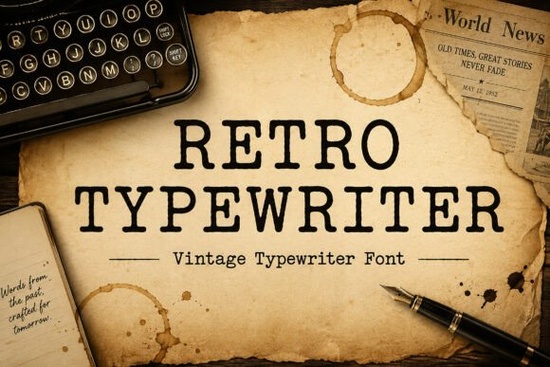
If you are searching for a typeface that captures the authentic grit of mid-century documents without relying on heavy distress filters, the Retro Typewriter Font fills that gap efficiently. It delivers clean yet slightly imperfect letterforms that read as genuinely aged rather than artificially damaged. Designers and crafters often struggle to locate a serif that feels nostalgic while remaining highly readable, especially when working on tight deadlines for client commissions or print-on-demand listings. This face strikes a careful balance between editorial polish and mechanical character, making it straightforward to apply across both digital mockups and physical goods.
What makes this vintage serif work better than standard typing fonts?
Most basic typing faces either appear too uniform or depend on loud grunge overlays that break down at smaller measurements. This particular option uses subtle variations in stroke weight and gentle alignment shifts to mimic the natural wear of an old carriage return mechanism. You receive consistent kerning alongside organic quirks that catch the eye without demanding constant manual corrections. When assembling a cohesive visual identity, those small typographic details keep layouts from feeling sterile. For projects requiring a softer, more modern contrast, you might explore alternative family collections like Silky Dusk Serif, which maintains legibility while leaning toward contemporary elegance. When you are ready to preview the exact character set, visiting the dedicated typeface gallery helps you confirm availability before download.
Where can I actually use this typeface without it feeling dated?
Rather than limiting yourself to literal historical themes, consider how the texture reads across different mediums. Makers frequently integrate it into journal covers, notebook spines, and decorative wall art where a tactile feel performs well online. Small businesses use it for restaurant menus, coffee shop chalkboards, and rustic packaging labels because the strokes hold up nicely during screen printing and vinyl cutting. You can also layer it over photography or flat backgrounds for social media quotes, event flyers, and limited-edition merchandise runs. Publishers also favor it for anthology covers and chapter headers. Many creators combine it with simple line art or muted color palettes to keep the composition grounded. When working directly through Creative Fabrica, you will often find matching illustration packs that complement this style. A reliable starting point is searching the marketplace for the Retro Typewriter Font, which includes complete weight ranges and licensing clarity right on the product page.
How do I pair it with complementary styles for balanced layouts?
Success usually comes from restraint. Pair the main headings with a light sans-serif body text to maintain hierarchy, then reserve the heavier weights for pull quotes or logo lockups. Avoid stacking multiple display faces on the same spread, as typewriter aesthetics thrive on simplicity. If you need an alternate serif that leans warmer and more rounded for subheadings or accent lines, Moon Creme provides a smooth counterpoint without competing for attention. Stick to two typefaces maximum and use size, color, and spacing to create rhythm. Test your combinations at actual output dimensions, since some details soften noticeably after rasterization or fabric transfer. Running a quick proof against your chosen background prevents unwanted vibration or blurring along the edges of diagonal curves.
What should I check before downloading and installing?
Verify the file format matches your workflow requirements before committing to a full project. Most vector editing programs accept OpenType or TrueType packages, while desktop publishing software may require proper font activation steps. Ensure your design platform supports ligatures or alternate glyphs if the package includes them, though this face relies primarily on standalone characters. Licensing terms differ depending on your commercial intent, so review the usage guidelines carefully for both personal drafts and revenue-generating products. Once activated, save custom presets or style sheets if you plan to reuse the settings across multiple campaigns. Updating your design software regularly helps prevent rendering glitches that sometimes appear during high-resolution exports.
Quick Pre-Project Checklist
- Verify file compatibility with your primary software version
- Test kerning pairs at intended print or screen scale
- Confirm commercial rights for your specific end use
- Set up clear hierarchy using two complementary families
- Export proofs on rough substrates before final runs
When you need a reliable vintage base that saves you from excessive retouching, applying this typeface early in your workflow streamlines both sketching and production phases. Try drafting three layout variants using different background textures, then select the version that maintains readability after scaling. Save your tested spacing ratios as default templates to speed up future batches.
Learn More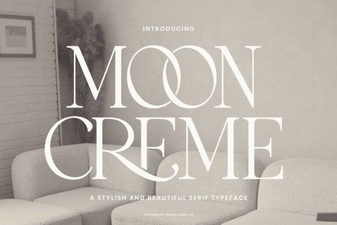 Moon Creme Font: a Soft and Stylish Typeface for Designers
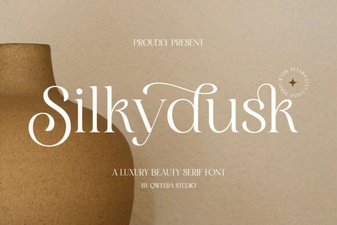 Silkydusk Font for Unique Brand Designs
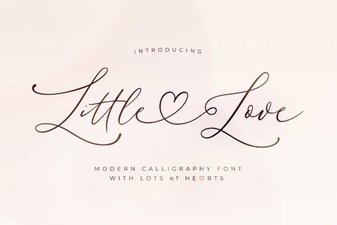 Little Love Font: Designing with Warm & Friendly Typography
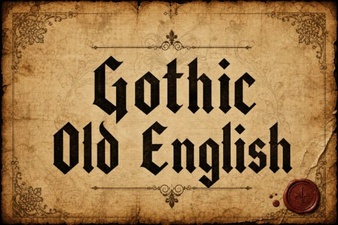 Designing with Authentic Gothic Old English Fonts
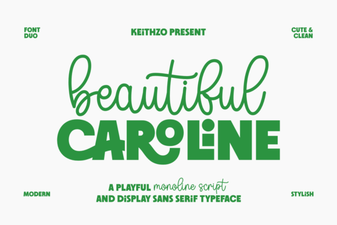 Beautiful Caroline Font: Elegance for Creative Projects
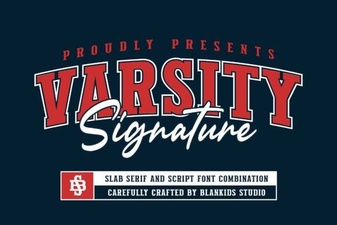 Signature Fonts for Sporty, Creative Design Projects