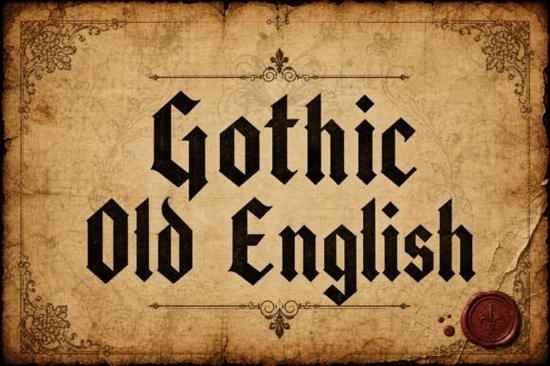
If you are looking for a strong, historical typeface that immediately commands attention, the Gothic Old English Font delivers exactly that visual weight. Designed for creators who need authentic blackletter aesthetics, this display typeface bridges medieval calligraphy and modern layout needs. Whether you run a print-on-demand shop, design brand identities, or work on custom merchandise, you will find that its sharp terminal points and structured stems bring instant gravitas to any project. Rather than relying on fleeting trends, this font taps into a timeless typographic tradition that reads clearly even at smaller sizes when used correctly.
How does this blackletter typeface fit into modern design projects?
Old English and gothic scripts have evolved well past their historical origins, yet they still carry that unmistakable cultural resonance. When you apply this font to packaging, event posters, or apparel graphics, the thick vertical strokes and delicate inner details create high contrast against simpler backgrounds. Designers often pair these heavy display letters with clean sans-serifs or subtle geometric accents to keep compositions readable. Crafters working on vinyl cuts, laser engraving plates, or ceramic decals appreciate how the uniform stroke weights hold up under precision cutting tools. Small business owners also lean on this style for brewery labels, barber shop signage, and boutique retail branding where heritage feels essential, regardless of whether you work primarily in the {category} niche.
Which creative fields benefit most from heavy serif and calligraphic styles?
The versatility of traditional blackletter extends across several distinct industries. Music producers frequently select historic gothic variants for album artwork and tour merch because the dense letterforms match the intensity of rock, metal, and punk genres. Tattoo artists rely on similar structural rules to ensure long-lasting clarity on skin, while graphic designers treat these glyphs as focal points rather than body text. If you experiment with Crownspire or explore alternatives like Gothic Old English, you will notice how subtle variations in taper and stress affect legibility. For softer, more flowing interpretations, Beardson offers a refined path that still respects historical anatomy.
What makes a vintage gothic style stand out without looking dated?
Dating issues usually stem from poor spacing, mismatched sizing, or applying heavy scripts to crowded layouts. To keep your designs feeling current, leave generous negative space around your lettering and avoid over-embellishing the background. Test your composition at actual production size before finalizing, since intricate serifs can blur when scaled down too far. Color choice also plays a major role; muted earth tones or stark monochrome contrasts often let the typography breathe better than busy gradients. You can also explore broader collections by visiting Gothic Old English Font to compare spacing options and license tiers directly through the marketplace.
How can you prepare your files for commercial printing and digital use?
Turning a beautiful display font into a sellable product requires attention to technical setup. Convert all outlines before sending files to large-format printers, and verify that kerning pairs do not collapse into unintended shapes. If you plan to sell mockups on marketplaces, build separate layers for text placement so buyers can easily swap content. Keep your color modes aligned with your medium: CMYK or Pantone spots for physical goods, and sRGB for screens. Always review the commercial usage guidelines attached to your download to stay compliant when listing finished items online.
Where should you look next after mastering this display style?
Once you feel comfortable handling heavy historic typefaces, expanding into complementary script and decorative families will broaden your portfolio. Look for matching caps-and-lowercase sets, alternate swashes, or period-accurate ligatures that fill out full sentences cleanly. Testing your combinations on paper proofs before committing to production saves time and reduces material waste.
- Verify outline conversion: Open your vector workspace and convert all typography to paths before exporting PDFs or SVGs.
- Check kerning at production scale: Zoom to one hundred percent and scan for overlapping terminals or cramped counters.
- Document usage rights: Save your license agreement alongside project files to prevent future copyright confusion.
- Create a starter mockup pack: Build three ready-to-edit templates featuring clean backgrounds, proper margins, and placeholder text blocks.
Treat each new project as a spacing exercise first and decoration second. When the lettering sits comfortably within the layout, your designs will read instantly and age gracefully across seasons and platforms.
Try It Free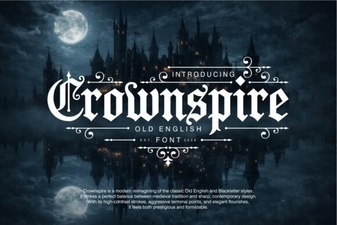 Crownspire Font: Design Versatility Unleashed
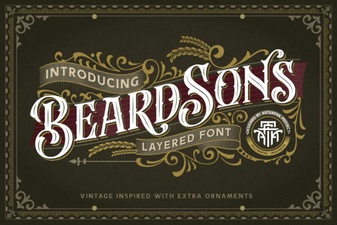 Beardsons Font: Display Styles for Creative Projects
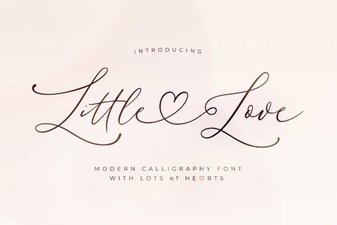 Little Love Font: Designing with Warm & Friendly Typography
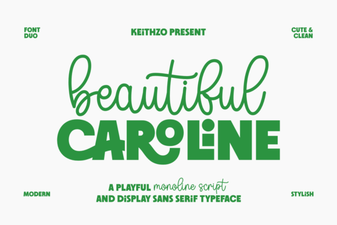 Beautiful Caroline Font: Elegance for Creative Projects
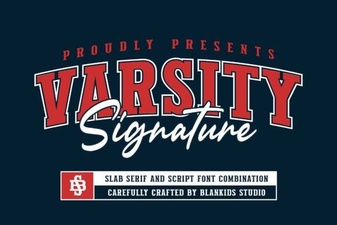 Signature Fonts for Sporty, Creative Design Projects
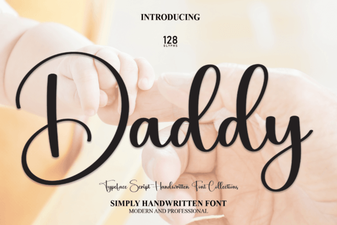 Daddy Font: Unleash Bold Typography Ideas