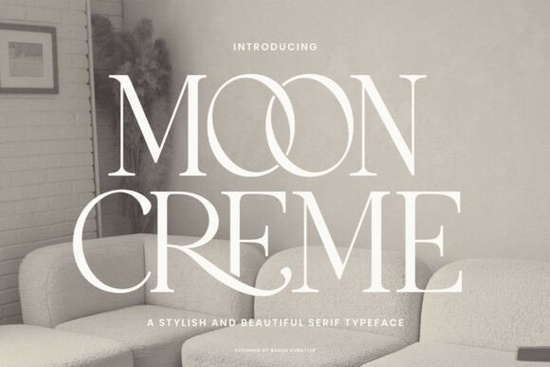
If you are looking for a typeface that balances classic structure with a slightly worn, nostalgic feel, Moon Creme Font offers a reliable way to add quiet sophistication to your layouts. The design blends traditional serif proportions with softened terminals and subtle irregularities that give it character without demanding immediate attention. Designers, crafters, and print-on-demand sellers often reach for this kind of lettering when they need headers, quotes, or packaging text that feels handcrafted yet polished. Small business owners also use it to maintain brand consistency across labels, social graphics, and merchandise.
What makes a vintage-modern serif work for both print and digital projects?
The appeal lies in its measured contrast and open counters. When scaled down for mobile screens or tiny product tags, the letters stay legible because the x-height is balanced and the serifs do not fight against each other. At larger sizes, the slight texture around the strokes catches the eye without breaking the overall shape. This middle-ground behavior means you can run it through a sublimation printer for tumblers and still drop the same file into standard design software for newsletter headers. The result is a typeface that does not demand constant resizing or heavy kerning adjustments, which saves time during busy launch weeks.
How do I pair it with other typefaces without creating visual competition?
Pairing succeeds when you let one font carry the mood while the other handles logistics. Since this style already brings warmth and retro charm, pair it with a clean, neutral sans-serif for body text or pricing details. If you prefer staying within the serif family, explore softer, more fluid options like lighter calligraphic styles for background patterns or secondary headlines. For projects that need mechanical contrast, try structured typewriter layouts when you need organized blocks of information such as care instructions or shipping details. Browse similar contemporary serif collections whenever you need backup headlines that match the same era-inspired mood. Keep line spacing generous and limit weight variations to two at most so the hierarchy stays clear.
Which industries and project types benefit most from this style?
Creative hobbyists often choose this direction for wedding invitations, journal covers, and printable planners where a gentle, storybook vibe fits the theme. Crafters working on vinyl cutouts, resin charms, or embroidery hoards appreciate the clean outlines and consistent stroke width, which translate well to cutting machines and stitching software. Print-on-demand sellers use it for apparel slogans, tote bag prints, and home decor signs because the vintage-modern mix appeals to broad demographics without feeling outdated. Book cover designers, cafe menus, and boutique shop signage also rely on it to communicate quality without leaning heavily into ornate decoration. Whenever your project needs to read as approachable yet refined, this lettering style fills that space efficiently.
What should I verify before placing the font in commercial files?
Running a quick technical check prevents headaches during production. Confirm the file format matches your workflow; most desktop publishing tools require standard OpenType or TrueType files, while vector editing software prefers outlined paths for accurate rendering. Test your chosen text size on the actual output medium, since heat transfer and fabric grain can soften thin strokes. Run a proof copy in grayscale to ensure contrast holds up on monochrome tags or single-color vinyl cuts. Review the licensing terms for your specific use case, especially if you plan to distribute editable templates or resell finished designs. Adjust tracking slightly tighter than usual when setting long paragraphs, as serif spacing can feel loose at small points.
Where can I review the complete character set and download instructions?
A full type specimen helps you see punctuation, currency symbols, and alternate glyphs before committing to a layout. Searching for Moon Creme Font on Creative Fabrica gives you direct access to the provider’s preview gallery, file formats, and commercial license details. You will also find sample project files that demonstrate proper baseline alignment and safe zones for cutting plotters. Bookmark the resource page until you have finalized your color palette and layout grid, then pull the files into your preferred editor and apply the verification steps listed above.
Is everything ready before I finalize my design files?
- Verify file compatibility: match your software requirements before importing new type data.
- Test legibility: export a mockup at final output size and view it at full resolution.
- Check license coverage: confirm whether template sharing or limited commercial printing is allowed.
- Align baselines carefully: use guide lines to prevent visual floating between mixed-type compositions.
- Save layered originals: keep an unflattened master file so spacing changes remain fully editable later.
Start with a narrow headline phrase, run the grayscale test, and adjust line spacing before expanding the layout. Once those steps hold up on paper, scaling the design across products becomes straightforward.
Learn More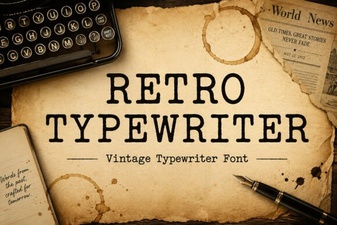 Discover Retro Typewriter Fonts for Your Creative Projects
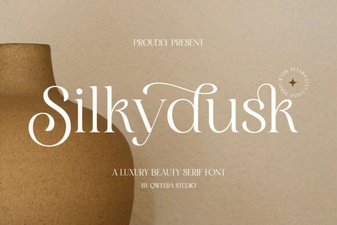 Silkydusk Font for Unique Brand Designs
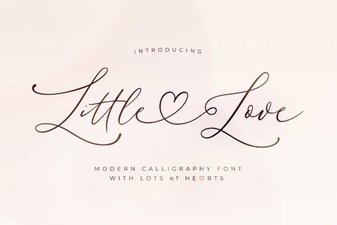 Little Love Font: Designing with Warm & Friendly Typography
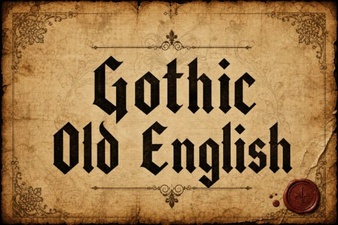 Designing with Authentic Gothic Old English Fonts
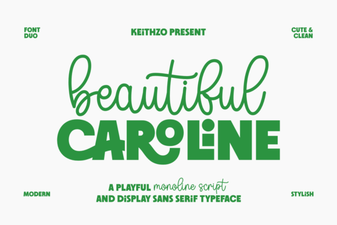 Beautiful Caroline Font: Elegance for Creative Projects
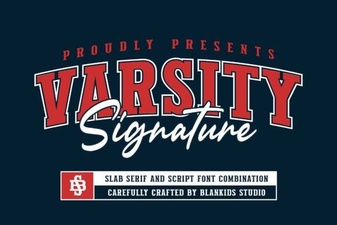 Signature Fonts for Sporty, Creative Design Projects