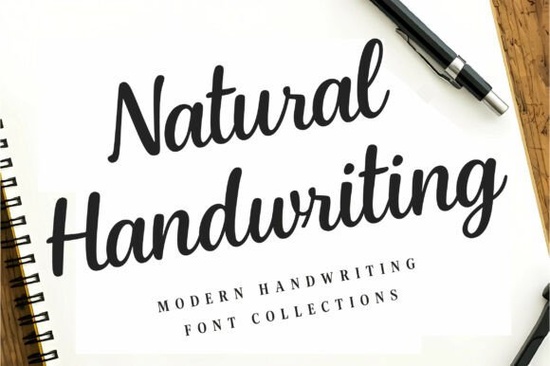
If you are searching for a typeface that feels genuinely personal without sacrificing readability, Natural Handwriting Font delivers exactly that kind of quiet authenticity. Unlike heavily decorated scripts that demand attention, this understated modern collection mimics the natural flow of everyday penmanship while maintaining the consistent structure designers need for commercial work. Whether you are building a boutique brand, printing wedding stationery, or drafting daily social posts, having access to a reliable handwriting type bridges the gap between polished design and human warmth. The moderate weight and flowing connections keep letters clear across screen displays and printed materials alike.
Why does a realistic handwriting style build stronger audience trust?
People respond to visuals that mimic organic creation because those details signal effort and intention. When a creator selects a script that reads like actual ink on paper, the viewer registers it as approachable rather than automated. This typeface balances casual strokes with professional spacing, allowing readers to absorb the message without decoding cramped shapes. Small business owners frequently pair it with clean sans-serifs for product labels, while crafters use it alone for printable journals and planner covers. The straightforward letterforms prevent visual fatigue, which matters whenever your artwork sits alongside photos or dense informational blocks.
Where should you actually place these flowing letterforms?
You will get the best results when the script supports the message instead of competing with it. Personalized greeting cards thrive here because the subtle curves mirror how we sign our names at the bottom. Digital marketers often layer it over muted backgrounds for quote graphics that aim for immediate emotional resonance. Bloggers rely on similar styles for pull quotes and sidebar annotations, though they usually keep the main body text in a predictable serif to maintain scanning speed. If you occasionally want a chunkier vibe for streetwear, you might try a bolder drop-caps style, while delicate monograms usually require a softer touch like the gentle curves found in Little Love Font. Both approaches fit specific project scales without overwhelming the core layout.
How do you balance readability with artistic flair?
Legibility remains the primary hurdle for most handwritten typefaces, which is why this collection prioritizes clear crossbars and distinct lowercase forms. Designers often run into trouble when slanted scripts compress horizontally, causing cramped paragraphs on web banners or sticker sheets. Testing your chosen size against a standard reading distance reveals whether the connecting strokes stay separated or merge into indistinguishable blobs. For large-scale branding elements like logo watermarks or header titles, leaving ample negative space around each line preserves breathing room. Craft vendors typically reserve the full cursive version for feature blocks, then switch to its simplified variant for dense sections like care instructions or pricing tables. When layout density increases, swapping to alternatives like Daddy Font, Summer Hipster Font, or Barbie Font provides enough structural contrast to keep user scans efficient.
What technical details matter before licensing for print or POD?
Commercial usage requires checking glyph coverage, punctuation marks, and multilingual support. This script includes standard numerals, common punctuation, and extended Latin characters, making it suitable for international e-commerce stores and translated marketing copy. Vector-ready paths ensure clean scaling across editing software, while built-in features allow optional ligature adjustments if your workflow demands tighter kerning. Always preview your artwork at actual output dimensions, since compression artifacts appear faster on matte paper stock or direct-to-garment transfers. If you plan to integrate typography into animated templates, verify that the file exports cleanly through your preferred platform. A reliable reference point for licensing standards can be found via Natural Handwriting Font, where updated terms and supported character sets are documented.
What steps should you take before finalizing any layout?
- Break lines manually instead of relying on automatic wrapping, since script fonts rarely align predictably inside dynamic text boxes.
- Test color contrast against both light and dark backgrounds to guarantee sufficient visibility for accessibility guidelines.
- Adjust tracking slightly if characters appear too loose on glossy finishes or too tight on woven textiles.
- Export layered files so spacing and pairing adjustments remain reversible during client feedback rounds.
Keeping a dedicated folder for tested configurations eliminates guesswork and protects your timeline across multiple design cycles. Start with a single headline, pair it with a neutral secondary typeface, and scale down until every stroke remains distinct. Once you confirm the arrangement works at thumbnail size, you can confidently apply it to packaging, merch, and digital campaigns without unexpected reprint costs.
Explore Design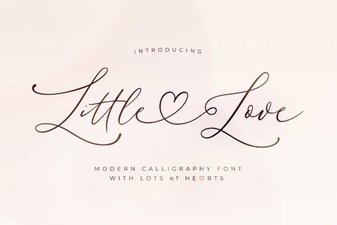 Little Love Font: Designing with Warm & Friendly Typography
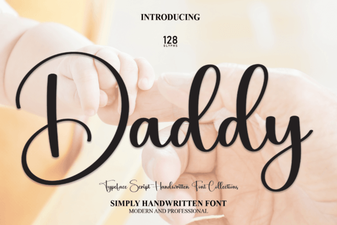 Daddy Font: Unleash Bold Typography Ideas
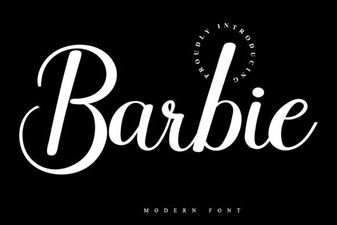 Barbie Font Tutorials and Diy Project Ideas
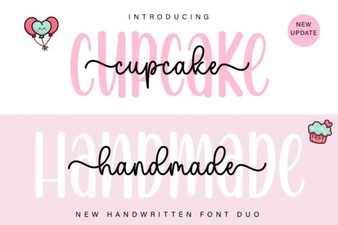 Crafting Elegance with Cupcake Handmade Duo Fonts
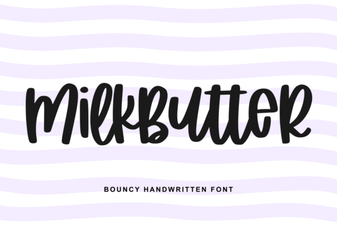 Milkbutter Font: Creative Typography for Digital Projects
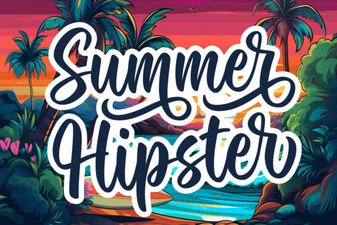 Free Summer Hipster Fonts for Creative Projects