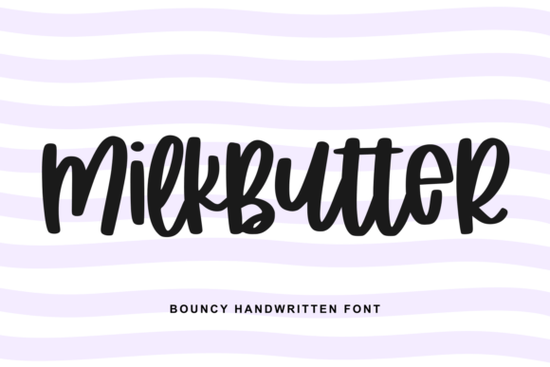
If you need a typeface that feels personal without sacrificing readability, you have found exactly what most crafters and small business owners look for. The Milkbutter Font delivers a relaxed, hand-drawn aesthetic that works seamlessly across invitations, product packaging, and social media posts. Instead of fighting with complicated kerning or rigid grid alignments, this typeface carries your message with a gentle, approachable rhythm. Its tall letterforms and smooth curves mimic the natural flow of pen on paper, making it straightforward to layer over photography or set against solid backgrounds. Whether you run a boutique sticker shop, design custom mugs, or manage a brand blog, having a reliable casual script in your toolkit saves time and keeps your visuals consistent. For creators who want professional results without hiring a dedicated typographer, exploring the full collection at Milkbutter Font offers a quick way to upgrade your design workflow.
When should you actually use a playful handwritten style?
Handlettered typefaces shine brightest when you want to sound friendly rather than formal. Print-on-demand sellers often pair this script with simple line art or watercolor elements to create greeting cards, tote bags, and coffee mugs. Small shops use it for flyers and sale graphics. Because the letters maintain clear spacing and avoid overly tangled flourishes, beginners can experiment with different sizes without losing legibility. You will get the best results when you reserve the larger display weights for headers or short phrases rather than long paragraphs.
How does it stack up against other casual scripts?
Not every brush or marker style serves the same purpose, so knowing where this option fits in your library helps you choose faster. If your current projects lean toward soft looping cursive, browsing Little Love Font provides a more connected alternative. Creators working on retro summer campaigns might find that switching to a hipper, slightly slanted style matches their color palette better. When you need clean, unconnected strokes for maximum readability, checking out Natural Handwriting Font offers a more structured feel. Designers building vibrant, high-energy brands often test Barbie Font to capture that bold, retro-modern energy. Meanwhile, makers planning cozy bakery themes regularly explore Cupcake Handmade Duo to add extra decorative flair.
What technical details matter for print versus digital use?
The file package typically includes standard OpenType formats that install cleanly on Windows and macOS systems. You can drag the files straight into Canva, Adobe Illustrator, Procreate, or Inkscape without needing special converters. Because the stroke weight sits comfortably between thin hairlines and heavy bold types, it reproduces well on sublimation transfers, vinyl cutters, and inkjet printers. Handling these files requires three basic steps:
- For screen graphics: export your mockups at 72 DPI with RGB color profiles to keep loading times fast while preserving the smooth edges.
- For physical products: convert outlines or paths before sending to your printer, which prevents missing glyphs on different computers.
- For scalable logos: test the thickest characters at very small sizes to ensure they do not blur or merge together.
Keeping these production steps in mind removes most of the frustration that comes with trial-and-error printing.
Are there any licensing rules I need to follow?
Most commercial font licenses allow you to sell finished products like printed apparel, stickers, or digital templates, but they rarely permit redistributing the font files themselves. Always check the specific agreement attached to your download invoice before listing items on marketplaces like Etsy or Amazon KDP. Personal creators and hobbyists usually enjoy broader freedom for classroom prints, scrapbooking, and private gifts. When you plan to bundle the typeface inside a larger software package or offer it as a separate downloadable asset, you will likely need an extended commercial license. Keeping your purchase receipts organized makes renewals or audits much simpler down the road.
What should I remember before adding it to my next project?
Rather than guessing whether the style matches your vision, run through these quick checks during your design phase:
- Test the largest headline size against your smallest body text to confirm enough visual contrast exists.
- Check spacing around sharp peaks and valleys to prevent crowding on narrow product tags.
- Preview your layout in grayscale to verify that the letter shapes still carry meaning without relying on color.
- Save multiple export copies at different resolutions so you never scramble for the right file last minute.
Taking two extra minutes to verify these details early saves hours of reworking later. Once you place the type in a composition, step back and read the phrase aloud to catch any awkward line breaks or unintentional word shapes. Adjusting character spacing by a few points often fixes minor alignment issues without distorting the overall flow. Pairing this relaxed script with clean geometric sans serifs for longer descriptions creates a balanced hierarchy that guides the eye smoothly.
Get Started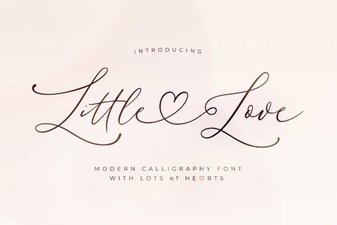 Little Love Font: Designing with Warm & Friendly Typography
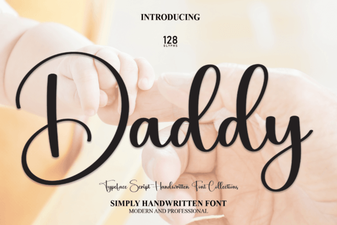 Daddy Font: Unleash Bold Typography Ideas
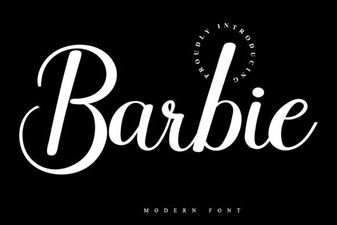 Barbie Font Tutorials and Diy Project Ideas
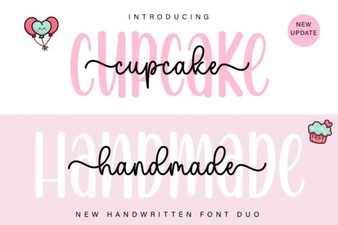 Crafting Elegance with Cupcake Handmade Duo Fonts
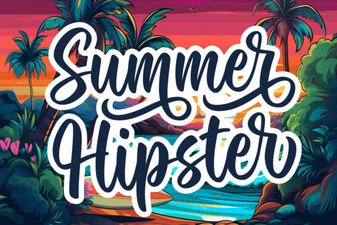 Free Summer Hipster Fonts for Creative Projects
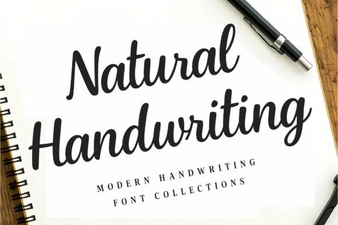 Discover Natural Handwriting Fonts for Your Projects