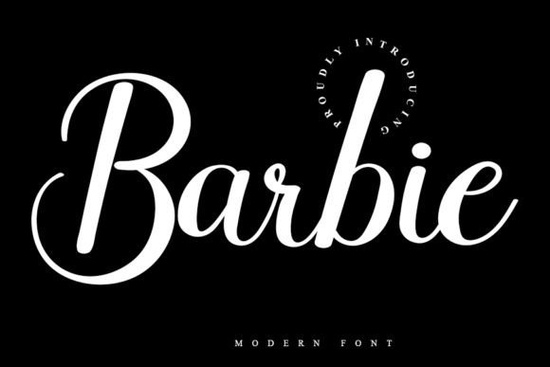
If you are looking for a script typeface that balances charm with refined elegance, the Barbie Font delivers exactly that. This particular style mimics the fluid motion of careful penmanship while maintaining enough structure to stay readable across different project sizes. You will find it works exceptionally well when you need a personal, handwritten touch without sacrificing legibility. Designers often pull this family into their workflow when they want to add warmth to corporate stationery, event materials, or small business branding. The stroke variations give it a classic appeal, making it suitable for both traditional layouts and modern minimal aesthetics.
Why does this script perform well on printed materials?
Print production demands clarity, especially when letters sit close together or repeat across a page. This typeface handles tight tracking reasonably well because the letterforms maintain consistent spacing and clear character recognition. When you apply it to wedding invitations, the curves soften the overall composition without overwhelming finer details like monograms or floral accents. Thank you cards and greeting messages benefit from the same approach, since customers can easily read short phrases even when sized down. Small business owners frequently choose it for logo marks, product packaging labels, and receipt headers. The flowing connections between characters create a cohesive visual rhythm that feels intentional rather than rushed. If you plan to run your files through an inkjet printer or send them to a commercial press, testing proof copies at final dimensions helps confirm how the thin strokes reproduce on different paper stocks.
What distinguishes it from standard cursive typefaces?
Many scripts attempt to replicate casual notes, but this one leans toward polished calligraphy instead of loose sketch lines. The baseline remains relatively steady, which prevents text from drifting upward or downward during multi-line compositions. You will notice the capital letters carry slightly thicker downstrokes, creating natural contrast without needing additional styling. For crafters who cut vinyl or stitch embroidery templates, the clean paths translate directly into machine-ready vectors or bitmap conversions. Hobbyists building printable planners or digital planners also appreciate how the characters align neatly with grid-based layouts. When compared to more rigid serif options, it introduces movement. When compared to ultra-decorative novelty scripts, it keeps the reading experience smooth. That middle ground is what makes it a reliable tool across multiple niches.
Which complementary styles pair best with it?
Building a balanced typographic hierarchy usually requires mixing flowing scripts with cleaner geometric or sans-serif shapes. A simple block letter works perfectly alongside these graceful curves to ground long paragraphs or provide clear headings. If you enjoy experimenting with alternative hand-lettered families, browsing collections like the Milkbutter Script collection shows how varied pen pressure can shift mood entirely. Those who prefer softer, rounded terminals might also want to review the Cupcake Handmade Duo Script for contrasting line weights. Exploring options such as the Natural Handwriting Script bundle demonstrates how slight irregularities can make designs feel more authentic. Meanwhile, checking out the Little Love Script family helps you see how compact spacing affects readability on smaller labels. Each variation offers a different technical approach, so comparing sample sheets before committing ensures consistency across your brand assets.
For users who want to test licensing terms or explore additional weight variations, searching for the Barbie Font on the marketplace provides straightforward access to usage guidelines and format previews. Most commercial platforms outline clear rules regarding retail prints versus client deliverables, so reviewing those documents saves time during project planning.
- Verify file compatibility: Confirm whether you need OTF, TTF, or SVG versions based on your software and output method.
- Set appropriate sizing: Keep main display text above forty points for optimal legibility, then scale secondary elements proportionally.
- Test color contrast: Run dark scripts against light backgrounds or reverse them with sufficient padding to avoid muddying fine strokes.
- Create style guides: Document your preferred pairings, tracking values, and minimum clear space to maintain consistency across future projects.
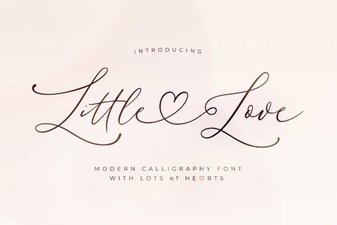 Little Love Font: Designing with Warm & Friendly Typography
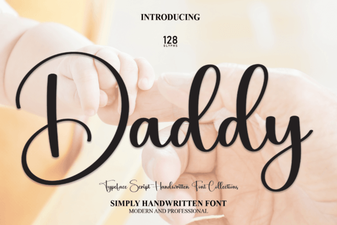 Daddy Font: Unleash Bold Typography Ideas
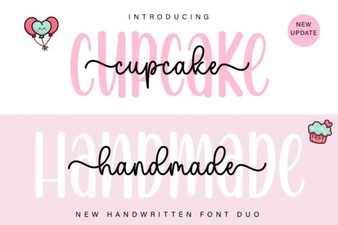 Crafting Elegance with Cupcake Handmade Duo Fonts
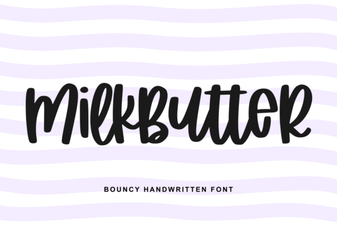 Milkbutter Font: Creative Typography for Digital Projects
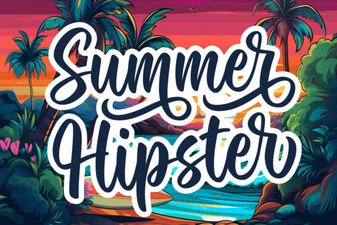 Free Summer Hipster Fonts for Creative Projects
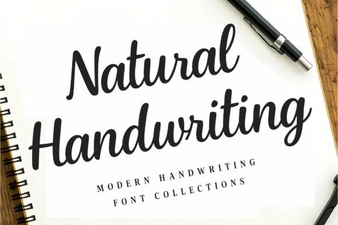 Discover Natural Handwriting Fonts for Your Projects