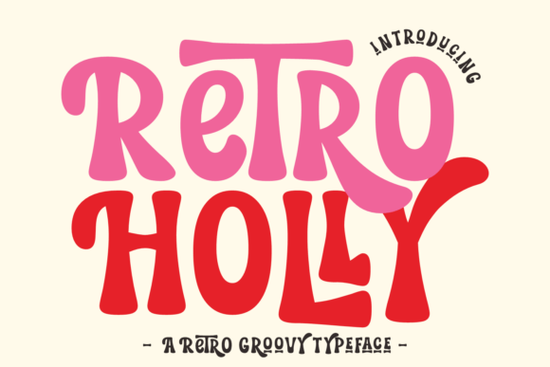
If you need a typeface that brings nostalgic charm without feeling dated, this specific style delivers exactly that. The Retro Holly Font blends boho textures with playful bubble lettering to create a look that works well for summer collections, sticker sheets, and apparel prints. Crafters who switch from basic sans-serifs often notice an immediate lift in visual interest once they apply a display family to their layouts. Instead of scrolling through hundreds of options, focus on how this particular weight handles spacing, curves, and legibility across different project sizes.
How does this typeface handle different crafting tools?
When cutting shapes or preparing files for digital stamps, having clean vector paths matters. This family includes both SVG and PNG variations, which means you can drop straight layers into your design software without tracing manually. Many creators pair it with heavier slab serifs to balance out the graphic weight. If you want to experiment with slightly thicker letterforms, exploring a collection like those thicker duo displays often provides a nice contrast. For projects leaning toward hand-lettered warmth, switching to something like soft Caroline-inspired handwriting sets keeps the composition feeling approachable.
Where do these bold characters work best on products?
Apparel shops frequently place this kind of curved typography along chest panels because the sweeping baseline guides the eye naturally. Sticker makers appreciate the closed counters and thick outlines, which hold up well when weeded on vinyl cutters. For brand identities aiming for a relaxed boutique feel, testing the swash variations adds a subtle flourish without breaking readability. You might combine it with simpler geometric icons to maintain a modern silhouette, or lean fully into the seventies aesthetic by adding wavy layout grids. When exploring complementary shapes, browsing brush-style western alphabets often sparks fresh poster ideas. Meanwhile, fans of digital journaling sometimes pair it with upbeat lettering sets like modern K-pop experimental fonts for limited edition artwork.
What settings prevent messy cuts or low-resolution prints?
Exporting at high resolution ensures crisp edges on canvas wraps or embroidered patches. Before uploading to cutting machines, always check that overlapping nodes sit neatly outside the curve radius. If you plan to color block letters, duplicating the outline layer and pulling it outward creates that chunky marker effect. Swash extensions usually attach to lowercase endings, so testing them at smaller scales prevents awkward gaps between characters. Keeping the baseline aligned also matters when stacking lines for mug sublimation. Designers who prefer working directly on tablets will find the included style variations map cleanly to brush presets, making custom signatures feel organic.
How should beginners start experimenting with this style?
Start by laying out short phrases against textured paper or muted gradient backgrounds. The heavy stroke width carries well over busy patterns, but leaving enough negative space around the edges keeps the message readable. Try placing two lines of curved text on opposite sides of a circular emblem to create a badge layout. Adding thin decorative strokes beneath the baseline grounds the composition. If your shop specializes in seasonal drops, testing the same quote in warm terracotta versus cool sage instantly reveals how mood shifts the entire piece.
Which finishing techniques bring out the full character of the design?
Screen printers often adjust ink viscosity slightly heavier to preserve rounded edges during multiple passes. Embossing foil highlights the wavy contours nicely, especially on matte cardstock. Digital planners benefit from embedding the regular and swash layers as separate objects, which allows quick swaps between flat and decorated versions. For heat transfers, running a mirror pre-flight check eliminates reversed letters that frustrate customers. Keeping a master folder with every available extension streamlines the workflow when deadlines approach.
Before finalizing any commercial file, run through this quick verification:
- Confirm all vector nodes are closed and overlap properly.
- Test legibility at one centimeter height on actual print material.
- Verify swash characters align with the baseline rhythm.
- Export final proofs in both high resolution raster and editable vector formats.
Save a copy with hidden stylistic alternates before submitting to marketplace previews. That small habit prevents unexpected formatting shifts when buyers download your assets.
Try It Free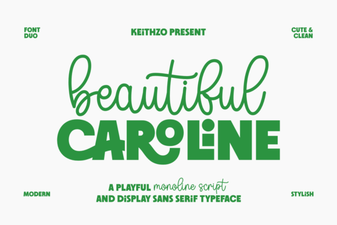 Beautiful Caroline Font: Elegance for Creative Projects
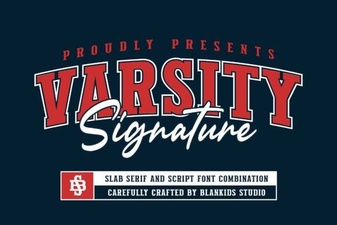 Signature Fonts for Sporty, Creative Design Projects
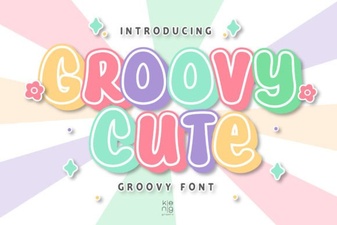 Groovy Cute Fonts for Creative Design Projects
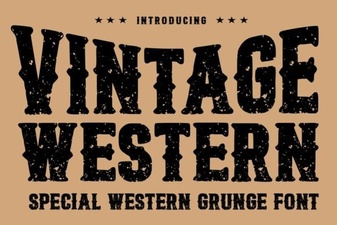 Old West Fonts for Modern Design Projects
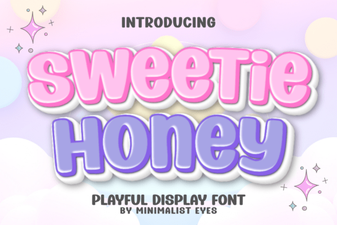 Sweetie Honey Font for Creative Design Projects
 Hunter’s Bold Korean Typography for Creative Projects