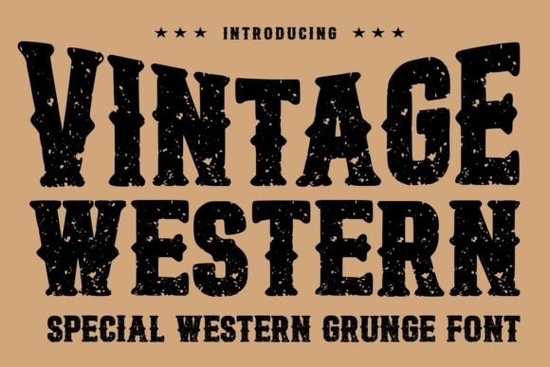
If you are looking for a typeface that instantly communicates rugged authenticity without sacrificing readability, the Vintage Western Font offers exactly that. This distressed display style works well because its heavy slab letters carry clear structure beneath the weathered edges. Designers often choose it for projects that need immediate visual weight, while crafters appreciate how the built-in texture saves hours of manual distressing in Photoshop. Small business owners who run print-on-demand shops also find it reliable for storefront branding, since the high contrast stands out clearly on both dark and light apparel.
The core strength of any weathered serif lies in balance. When the grain becomes too aggressive, letters lose their shape and customers struggle to read the message. A well-executed version keeps the stem thickness consistent, ensures proper spacing between tight characters, and places the texture strategically along the outer edges. You can test this yourself by turning a headline black on white, then dropping the opacity slightly to see where details thin out. That quick check prevents unwanted gaps when scaling artwork down for stickers.
Which projects actually benefit from a rugged western typeface?
Certain layouts naturally lean into this aesthetic without feeling forced. The texture pairs especially well with muted earth tones, faded denim backgrounds, and hand-drawn border elements. Here are a few areas where it consistently performs:
- Print-on-demand merchandise thick letterforms hold up well under DTG printing and sublimation transfers.
- Event posters and flyers the bold presence grabs attention from across a room or a crowded social feed.
- Brand identity packages restaurants, breweries, and outdoor gear stores frequently use it to signal heritage and craftsmanship.
- Packaging and labels the sturdy baseline keeps ingredient lists and volume measurements legible next to larger decorative copy.
Pairing plays a crucial role in keeping the final piece professional. A heavy display face rarely needs competition, so lighter sans serifs or clean scripts create better contrast. If you want something soft to balance the sharp angles, explore a gentle rounded option like Jake or a flowing duo style similar to Sweetie Honey. Those combinations let the rugged headline do the talking while supporting text remains easy to scan. For warmer accent colors, a textured companion like Thick Honey Duo adds nice visual depth without competing for attention. You can also mix in a playful pop-inspired face like Groovy Cute or Hunters K-Pop for hybrid concepts that blend modern illustration with retro themes. Keeping the contrast intentional stops the layout from feeling cluttered.
How do you keep grunge textures readable at smaller sizes?
Distressed fonts demand careful scaling. What looks dramatic at seventy-two points may turn speckled at ten points. Stick to headline ranges above twenty-four points, or apply the type as a cut-out graphic. If you must use it near body copy, increase tracking, choose a flat background, and avoid heavy shadows behind the letters. Testing your file at actual production size catches most legibility problems early. Creators also convert the text to outlines after final placement so the spacing stays locked across software versions.
What technical steps prevent costly reprints?
Getting the file onto your computer is straightforward, but a few habits save time during launch week. Always install the full family instead of just the displayed samples, verify the encoding supports the special characters you need, and back up the original folder before moving files around. When preparing artwork for merch production, switch to CMYK, set images to three hundred dpi, and flatten layers before saving. Checking the license terms is equally important, since some commercial usage limits apply to apparel runs exceeding certain quantities. For additional reference on industry standards, you can review guidelines on the Adobe documentation page about Vintage Western Font.
When everything aligns, you will notice how quickly the design moves from draft to ready-to-sell. Consistent testing, careful pairing, and sensible scaling turn a single typeface into a reliable asset for repeated campaigns.
Quick pre-production checklist
- Open the file at 100% zoom and inspect stems for broken segments
- Convert outlines only after approving final spacing and kerning
- Run a CMYK proof on sample paper or garment swatches
- Save a backup in editable format alongside the flattened master
- Verify commercial rights match your expected order volume
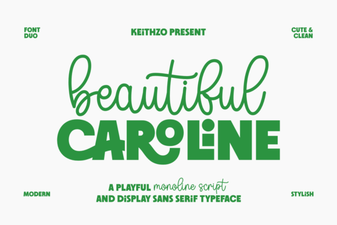 Beautiful Caroline Font: Elegance for Creative Projects
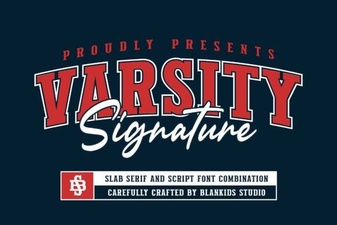 Signature Fonts for Sporty, Creative Design Projects
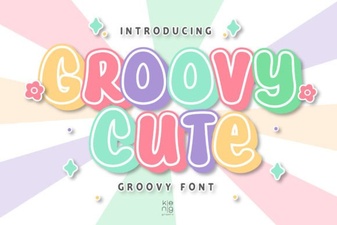 Groovy Cute Fonts for Creative Design Projects
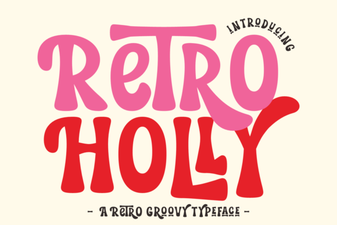 Retro Holly Font Designs and Creative Ideas
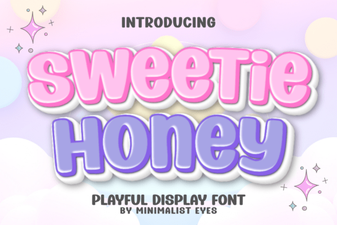 Sweetie Honey Font for Creative Design Projects
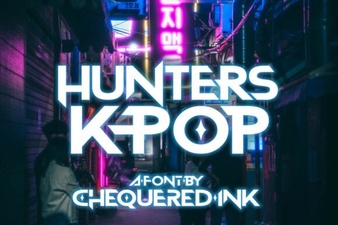 Hunter’s Bold Korean Typography for Creative Projects