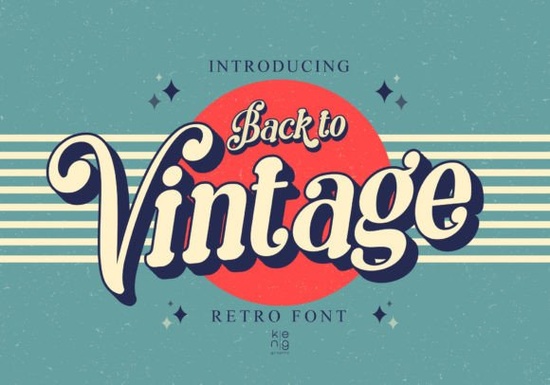
If you are looking for a display typeface that instantly evokes nostalgia without feeling dated, Back to Vintage Font delivers exactly that. Designed with softened edges and gently rounded corners, this character set pulls direct inspiration from mid-century advertising and record sleeves from the sixties through the eighties. Unlike sharper retro fonts that can feel heavy, this one keeps its silhouette light while still carrying enough visual weight to stand out on busy layouts.
Designers often reach for this style when creating posters or branding packages. The letters flow smoothly across lines, making long headlines surprisingly readable. Crafters and print-on-demand sellers also appreciate how cleanly the curves render on both vector files and high-resolution PNGs, keeping crisp edges even when scaled down for tags or packaging.
What makes this retro style work for modern projects?
The magic lies in the subtle curves. Every corner sits slightly softer than traditional block lettering, which reduces harsh contrast against photos and illustrations. That same rounded geometry gives the type a friendly, approachable mood while maintaining clear legibility. When used as a primary headline, it draws the eye without competing with supporting copy. Pair it with a clean sans-serif for body text, and the contrast creates a balanced hierarchy that guides readers naturally through your layout.
How can crafters and POD sellers actually use it?
Selling retro-inspired merchandise requires more than just placing a typeface onto a template. This display font works best when treated like a focal point. Try outlining single-word statements on tote bags or crew neck tees, leaving ample negative space around the curves. The rounded terminals catch light differently on fabric, creating a subtle dimensional effect that looks premium rather than mass-produced. For digital creators, layer the text over muted gradients or grainy photo backgrounds to enhance the analog vibe. You can also break the baseline slightly for emphasis, letting certain letters dip or rise while keeping the overall line stable.
Which other retro typefaces pair well with it?
Finding complementary characters is usually the next step after securing your main headline type. If you enjoy the chunky presence of Harlow Chunky, the playful curves of Groovy Cute offer a lighter counterpoint that keeps layouts from feeling too dense. Street-style boards often lean toward the textured look of Retro Holly, while athletic apparel responds well to the clean lines found in Varsity Signature. Exploring these options helps you build cohesive families without repeating the same visual rhythm.
Where can I explore additional vintage styles?
When you want to compare weights or browse curated collections, visiting a dedicated marketplace saves time. Platforms that organize typography by decade and commercial usage rights make it easier to filter exactly what fits your workflow. Searching for Back to Vintage Font directly brings up matching bundles and related downloads so you can preview kerning pairs before committing to a purchase.
Quick implementation checklist
- Set tracking slightly tight on all-caps headlines to let the rounded corners touch naturally
- Use a lightweight sans-serif for subheadings to prevent visual competition
- Export final artwork at 300 DPI minimum for clean cutting machines
- Test color contrast against background images; muted pastels or warm neutrals usually enhance the nostalgic mood
- Save vector versions alongside raster exports to accommodate different production methods
Next step: Draft two headline variations on blank canvas files, apply your chosen background texture, and print a small proof at actual size before scaling up production runs. Adjust baseline alignment or letter spacing if any curves feel cramped under heavy ink coverage.
Explore Design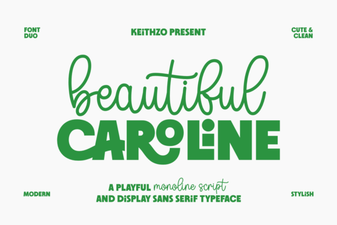 Beautiful Caroline Font: Elegance for Creative Projects
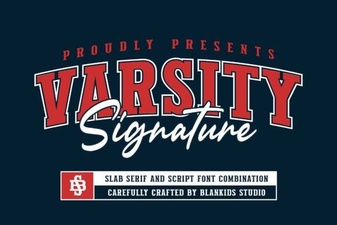 Signature Fonts for Sporty, Creative Design Projects
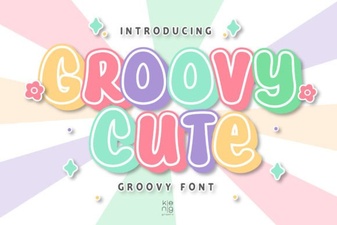 Groovy Cute Fonts for Creative Design Projects
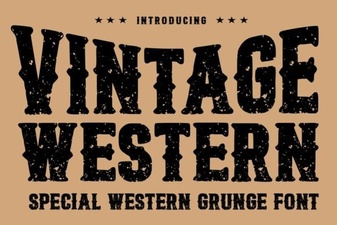 Old West Fonts for Modern Design Projects
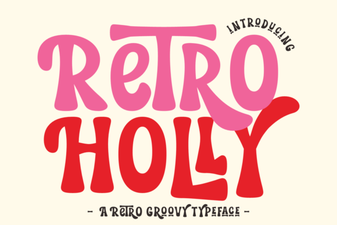 Retro Holly Font Designs and Creative Ideas
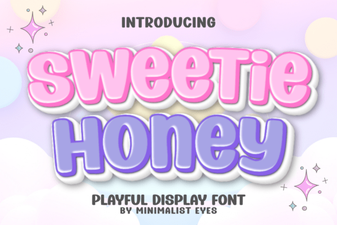 Sweetie Honey Font for Creative Design Projects